
How to Choose the Right Sportswear for Different Sports and Athletic Activities
Choosing the right sportswear is an important part of preparing for any physical activity. Every sport has different requirements, and the clothing selected should provide suitable comfort, flexibility, durability, and functionality. Wearing appropriate sports apparel can help athletes move confidently, remain comfortable, and focus on their performance.
With so many sportswear options available, understanding the differences between various garments and materials can help individuals, sports teams, and clothing brands make better choices.
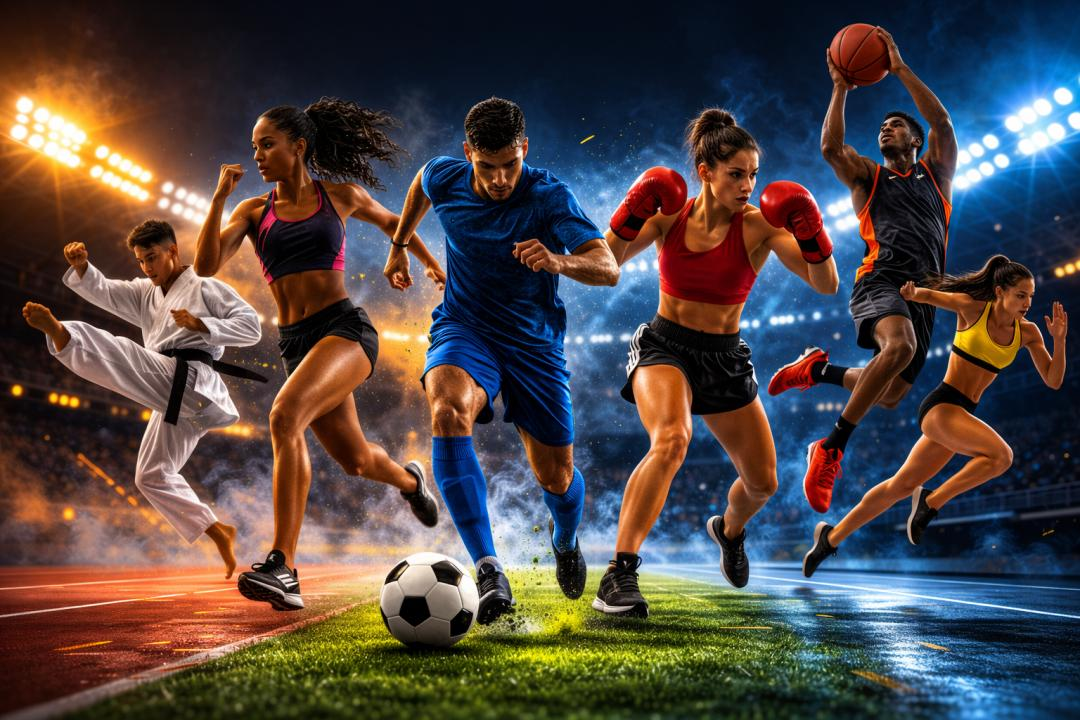
1. Sportswear for Football and Soccer
Football and soccer players require lightweight uniforms that support running, kicking, and continuous movement. Jerseys and shorts are commonly manufactured using breathable polyester fabrics that help manage moisture and provide comfortable wear.
Customized football uniforms may include team logos, player names, numbers, sponsor branding, and sublimated designs. Proper fitting and durable construction are important considerations for both training and competitive matches.
2. Sportswear for Basketball
Basketball involves jumping, running, and rapid changes in direction. Basketball jerseys and shorts should provide flexibility and comfortable movement. Lightweight mesh fabrics are frequently used to improve ventilation.
Teams often choose customized basketball uniforms with matching colors, printed numbers, and personalized branding to create a consistent professional appearance.
3. Athletic Wear for Gym and Fitness Training
Gym and fitness apparel should support a wide range of movements, including stretching, lifting, running, and strength training. Compression shirts, leggings, gym shorts, tank tops, and sports bras are popular choices.
Stretchable fabrics with moisture-management properties are particularly useful for workout clothing. Comfortable
4. Running and Outdoor Sportswear
Running apparel should be lightweight, breathable, and comfortable for extended physical activity. Running T-shirts, shorts, leggings, and lightweight jackets are common options.
Reflective details can improve visibility in low-light environments, while moisture-wicking fabrics help manage sweat during exercise. Runners should also consider seasonal conditions when choosing their clothing.
5. Martial Arts and Combat Sports Uniforms
Martial arts require specialized clothing designed for specific movements and training requirements. Karate, Taekwondo, Judo, Brazilian Jiu-Jitsu, and other combat sports use different uniform styles.
These garments are often made with durable fabrics and reinforced stitching to handle regular training. Depending on the discipline, uniforms may include jackets, trousers, belts, and customized embroidery.
6. Choosing the Right Fabric
Fabric selection should always match the intended activity. Some materials are better suited to lightweight training clothing, while others are preferred for garments that require additional strength and durability.
Common sportswear materials include:
Polyester: Lightweight, durable, and commonly used for sports jerseys.
Spandex: Provides stretch and flexibility for fitted athletic garments.
Nylon: Offers strength, smooth texture, and durability.
Cotton: Provides a soft and comfortable feel for casual athletic clothing.
Polyester-Spandex Blends: Combine flexibility with durability for activewear.
7. Importance of Proper Fitting and Sizing
Correct sizing is essential for comfortable sportswear. Clothing that is too tight may restrict movement, while excessively loose garments may become uncomfortable during certain activities.
Manufacturers should consider different body measurements, size charts, garment patterns, and fitting requirements when developing sportswear collections. Offering multiple sizes and customized fitting options helps brands serve a wider range of customers.
8. Custom Sportswear Manufacturing for Brands and Teams
Custom sportswear manufacturing gives brands, clubs, gyms, academies, and professional teams the opportunity to develop apparel according to their own specifications.
Customization may include:
Personalized colors and designs.
Custom logos and branding.
Sublimation printing and embroidery.
Private-label manufacturing.
Customized sizing and fitting.
Different fabric and material options.
Team uniforms and coordinated apparel sets.
Professional production requires careful attention to design development, fabric selection, stitching, printing, finishing, and quality control.
Conclusion
Selecting the right sportswear means understanding the requirements of each activity and choosing garments that provide suitable comfort, flexibility, and durability. From football uniforms and basketball jerseys to gym clothing, running apparel, and martial arts uniforms, every category requires attention to materials and construction.
For sports teams, fitness brands, and apparel businesses, working with an experienced manufacturer can help turn custom designs into high-quality finished products. The right combination of fabric, fit, functionality, and design creates sportswear that supports active lifestyles and meets modern market expectations.