
Athletic Wear: Combining Performance, Innovation, and Everyday Comfort
Athletic wear has become an important part of modern lifestyles, bringing together fitness, fashion, comfort, and performance. People are increasingly choosing activewear not only for gym sessions and sports activities but also for everyday use. From professional athletes to fitness beginners, comfortable athletic clothing supports active routines and provides practical solutions for different physical activities.
The growing popularity of fitness culture has increased demand for athletic wear that offers both functionality and attractive designs. Consumers expect clothing that feels comfortable, looks modern, and performs well during different workouts. This has encouraged manufacturers to focus on innovative materials, improved garment construction, and versatile product collections.
The Role of Fabric Technology in Athletic Wear
Fabric selection plays a major role in the development of athletic clothing. Materials such as polyester, nylon, spandex, and cotton blends are commonly selected according to the intended use of each garment.
Moisture-wicking fabrics help manage perspiration during intense exercise, while stretchable materials support flexibility and comfortable movement. Lightweight construction can make athletic clothing suitable for running, gym training, cycling, and other physical activities.
Different athletic products require specific fabric properties. Compression garments need suitable stretch and support, while gym T-shirts and training shorts often prioritize breathability and lightweight comfort.
Essential Athletic Wear for Every Workout
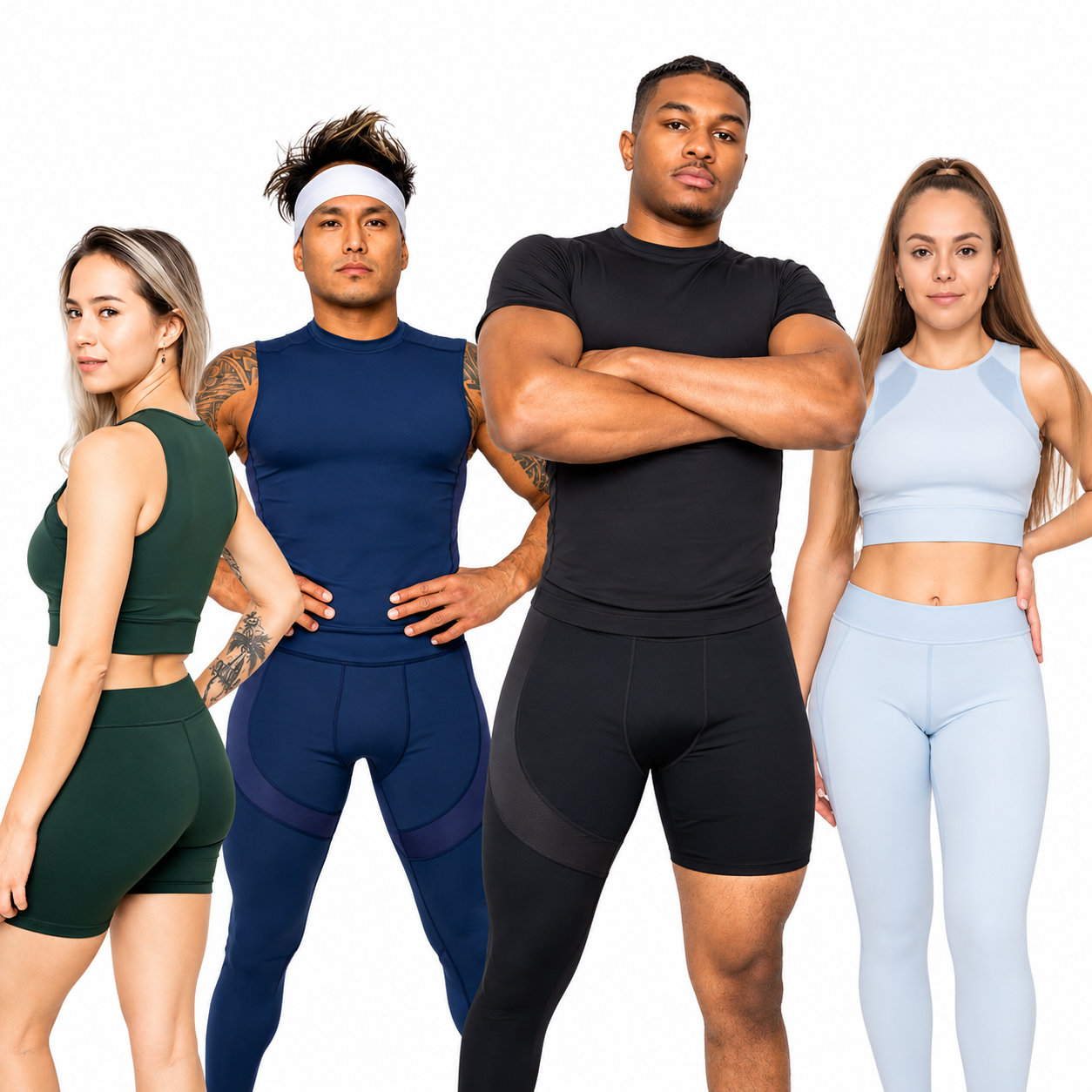
A complete athletic wardrobe includes different garments designed for specific activities and personal preferences.
Compression Shirts: Designed with stretchable fabrics for a close and supportive fit during training.
Gym Shorts: Lightweight and flexible options for workouts, running, and general fitness activities.
Sports Bras: Designed to provide support and comfort during different exercise routines.
Athletic Leggings: Popular for yoga, gym sessions, stretching, and fitness training.
Track Suits: Versatile apparel suitable for warm-ups, outdoor activities, and casual sportswear.
Training Hoodies: Comfortable layering options for warm-ups and cooler environments.
Tank Tops: Sleeveless designs that provide freedom of movement and ventilation.
Athletic Wear and Modern Fashion Trends
Athletic wear has developed into a major fashion category. Consumers increasingly prefer versatile garments that can transition between exercise sessions and everyday activities. Oversized T-shirts, matching fitness sets, stylish leggings, crop-top hoodies, and coordinated tracksuits are popular examples.
Color selection, fabric texture, garment fitting, printing, embroidery, and personalized branding all contribute to the appearance of modern athletic clothing. Manufacturers can create customized collections that reflect a brand’s identity and target audience.
Why Manufacturing Quality Is Important
Reliable manufacturing involves several stages, including fabric sourcing, pattern development, cutting, stitching, printing, embroidery, finishing, and quality inspection.
Every stage contributes to the final product. Accurate sizing, consistent stitching, proper fabric handling, and careful finishing help maintain product quality. Custom manufacturing also allows clothing brands to select specific colors, materials, sizes, logos, and design details according to their requirements.
Conclusion
Athletic wear continues to evolve with changing fitness trends, consumer expectations, and fabric innovations. By combining functional materials, comfortable construction, and modern designs, manufacturers can create collections suitable for professional athletes, fitness enthusiasts, and everyday consumers.